When planning a new development or refurbishment, effective smoke ventilation is essential for compliance, safety, and design. Selecting the right Automatic Opening Vent (AOV) window plays a critical role in protecting occupants during a fire while integrating seamlessly with your building’s architectural and functional requirements. From regulations and performance standards to aesthetics and bespoke sizing, understanding what to look for in an AOV window can make a significant difference.
How an AOV Window Works
When selecting the right AOV window for your project, it’s important to understand how and why it works. An Automatic Opening Vent (AOV) window is designed to support a building’s natural smoke ventilation system.
In the event of a fire, the AOV window automatically opens to allow smoke to escape from communal areas such as lobbies, corridors, and stairwells. By clearing smoke from these escape routes, the system improves visibility and helps keep evacuation paths safe for occupants.
Meeting Standards for Building Projects
When choosing an AOV window, compliance with industry standards is non-negotiable. In the UK and across Europe, the key benchmark is EN 12101-2, which sets strict requirements for smoke and heat control systems.
An AOV window that carries this certification ensures it has been rigorously tested for aerodynamic free area, durability, reliability, and performance under fire conditions.
Explore EN 12101-2 AOV Window options from Teal Products
Selecting the Free Area on AOV Windows
In architecture and construction, the term “free area” refers to the open, unobstructed portion of an aperture or façade through which air, light, or visibility can pass. It is often expressed as a percentage to ensure adequate ventilation or to meet other performance criteria.
For AOV windows, the free area directly affects how efficiently smoke can be extracted during an emergency. Common options include 1m² or 1.5m², allowing you to choose a size that aligns with your building’s ventilation requirements. Selecting the correct free area ensures rapid smoke clearance, enhancing safety and supporting effective evacuation for occupants.
Window Orientation
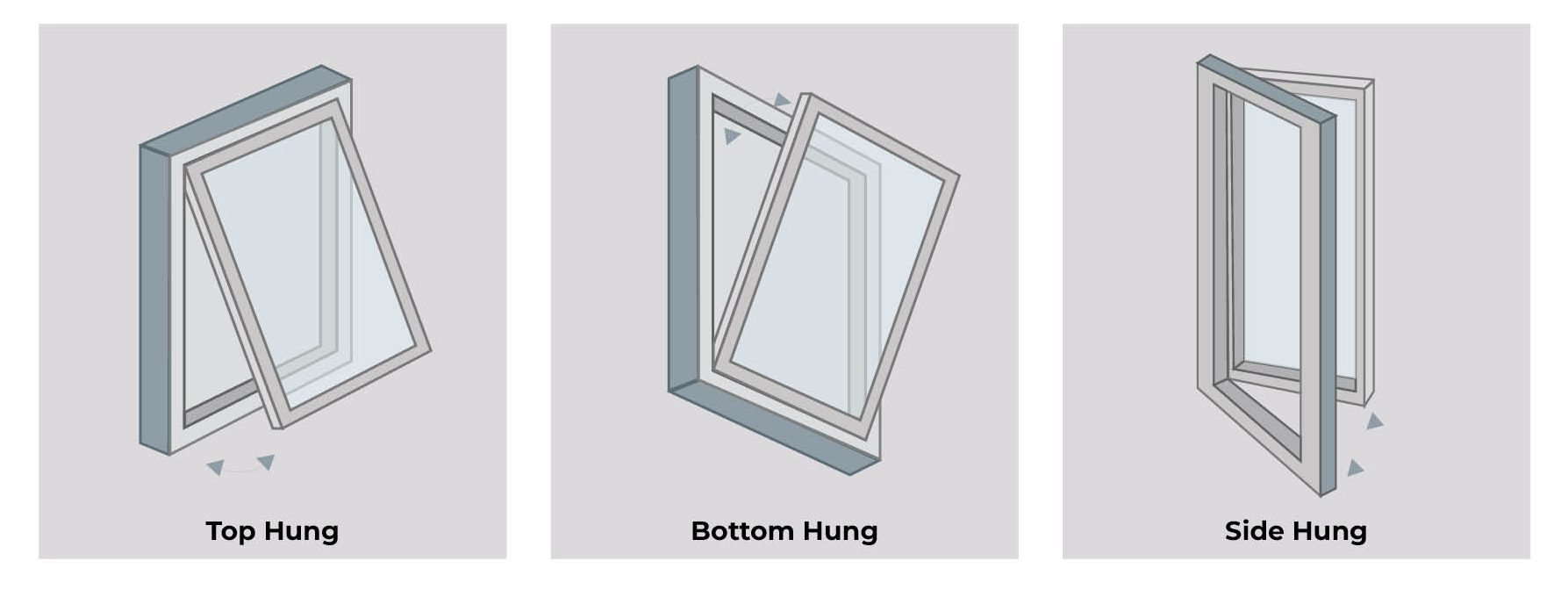
Window orientation impacts both performance and design. Top-hung, bottom-hung, or side-hung windows influence how smoke is ventilated and how natural airflow circulates throughout the building. Choosing the right orientation not only optimises smoke extraction during an emergency, but also enhances natural ventilation in everyday use, all while maintaining a cohesive and functional architectural aesthetic.
Customisation of AOV Windows
Teal Products offers fully bespoke sizing and RAL colour options, allowing AOV windows to be tailored to your building’s style and design preferences. This ensures that safety features complement the architectural vision rather than compromise it.
Check out the video on SV-W-W1 AOV Facade Window below, which is available in a variety of RAL colour options.
Need Help Choosing the Right AOV Windows?
Since 2000, Teal Products has been providing trusted smoke ventilation solutions. From AOV windows to bespoke smoke control systems, our team can help you find the perfect solution. Contact us today to get started.